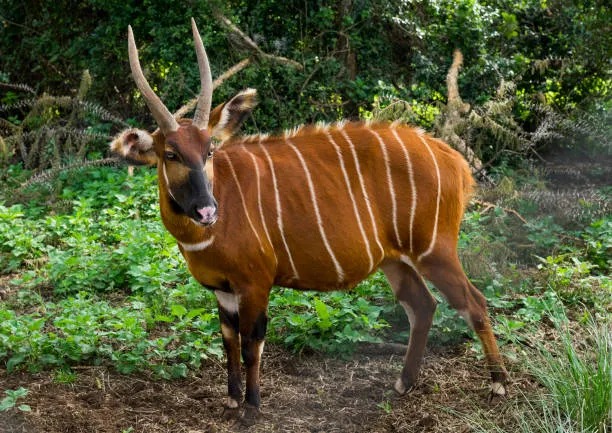
Saving the Mountain Bongo: Kenya's Race Against Extinction
Fewer than 100 remain in the wild. Here's how Kenya is fighting to save Africa's most endangered large antelope.
The Crisis & The Hope
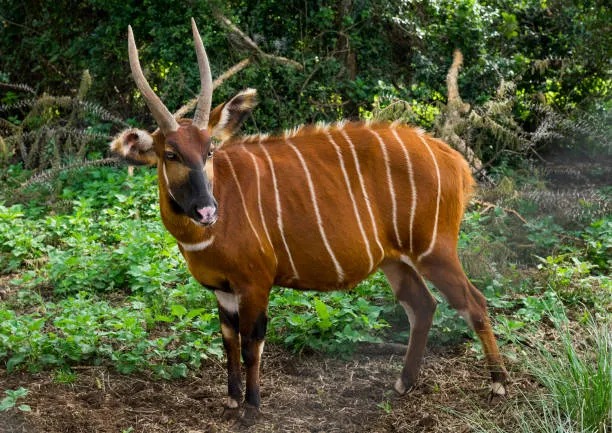
The majestic Mountain Bongo, a critically endangered antelope found only in Kenya, was on the brink of vanishing forever. With fewer than 100 individuals remaining in the wild by 2026, this striking chestnut-and-white striped creature represents one of Africa's most urgent conservation stories. But from the edge of extinction emerges a remarkable tale of hope, science, and national commitment.
2004: The Turning Point
In 2004, the Mount Kenya Wildlife Conservancy (MKWC) took on the immense challenge of reversing the Mountain Bongo's extinction trajectory. With wild populations decimated by poaching, habitat loss, and disease, bold action was needed to prevent the complete disappearance of this iconic species from Kenya's montane forests.
Repatriation & Breeding: A New Generation
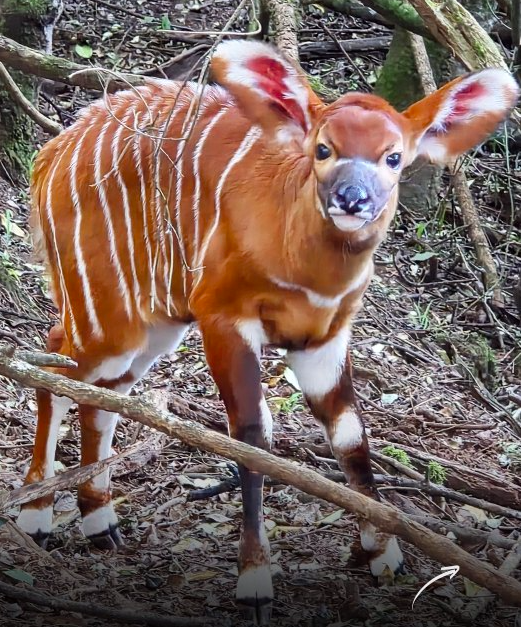
A young bongo calf represents hope for the species' future
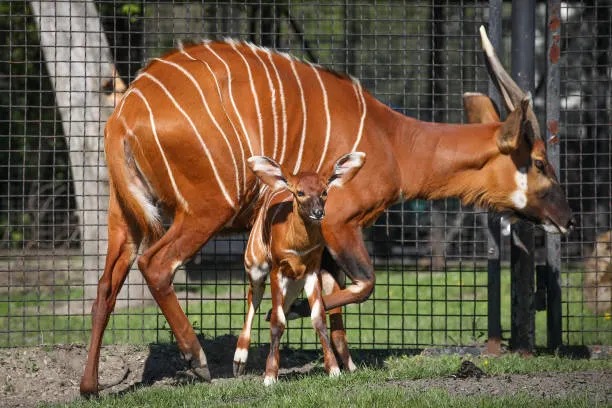
Specialized care in conservation breeding programs
As a first step, 18 Mountain Bongos were repatriated from zoos in North America. These animals, originally habituated to humans, underwent a carefully managed adaptation process to local Kenyan conditions under the guidance of conservation experts.
This marked the beginning of Kenya's most ambitious effort to restore the species a program that would combine scientific rigor with deep ecological understanding.
Mawingu Mountain Bongo Sanctuary: A World-First Innovation
In collaboration with KWS and KFS, MKWC established the world's first sanctuary dedicated exclusively to the Mountain Bongo:
- 776 acres of pristine montane forest
- Located at the foothills of Mount Kenya
- Adjacent to Mount Kenya National Park
- Within the species' former natural range
From Breeding to Rewilding: How It Works
- Minimal human contact from early stages
- Restoration of natural instincts through forest immersion
- Gradual exposure to native forest conditions
- Successful individuals transferred to KWS management
- Translocation to reinforce wild populations
Kenya's 50-Year Recovery Plan
According to the Government of Kenya's National Recovery and Action Plan (2019–2023), the long-term goal is ambitious yet achievable: restore the Mountain Bongo population to 750 individuals within the next 50 years.
However, conservation experts emphasize that this vision remains fragile without consistent funding, habitat protection, and sustained public support.
Responsible Tourism's Vital Role
At Drift Plus Adventures, we believe that travel should protect what it celebrates. The Mountain Bongo is not and should not become a tourist attraction. However, responsible tourism plays a powerful, indirect role by:
- Supporting conservation education through curated learning experiences
- Promoting ethical wildlife awareness among visitors
- Encouraging respect for protected ecosystems
- Amplifying conservation stories that need global attention
- Generating sustainable funding for protected area management
Why Protecting the Mountain Bongo Protects Us All
Protecting Kenya's montane forests critical carbon sinks and biodiversity hubs
Preserving biodiversity that supports ecosystem resilience
Safeguarding water catchment areas that supply millions of Kenyans
Honoring Kenya's responsibility as the species' only home on Earth
How You Can Support Conservation
- Support reputable conservation organizations working on the ground
- Share awareness about endangered species and their habitats
- Engage in conservation education for yourself and others
- Choose responsible tour operators who prioritize ethics over exploitation
- Advocate for forest and wildlife protection policies
Choosing a travel partner like Drift Plus Adventures, who prioritizes these principles, is one way to ensure your visit contributes positively to Kenya's conservation future.
Updated: 2026. Conservation efforts continue as the Mountain Bongo remains one of Africa's most endangered large mammals, with fewer than 100 individuals in the wild and approximately 70 in conservation breeding programs.
Continue your journey into Kenya's conservation world through our Blog or explore our ethical wildlife experiences.